

In 2026, autonomous driving has entered a new phase. For investors, the key question in 2025 is no longer whether autonomous technology works, but which business models can generate defensible revenue within realistic operational constraints.
The most credible autonomous driving companies today are not all pursuing full urban autonomy. Instead, they are segmenting the market—robotaxis, trucking, driver assistance, and geofenced low-speed autonomy—each with different capital requirements, regulatory exposure, and timelines to profitability.
This guide reviews the leading autonomous driving companies from an investor perspective, with an emphasis on deployability, scalability, and commercial alignment.
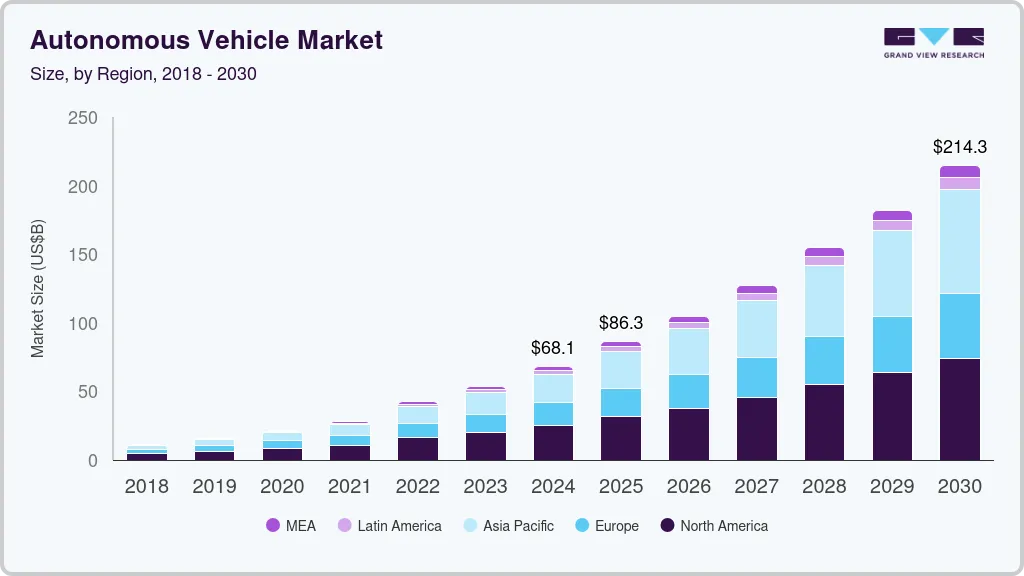
Investor Lens: What Matters Most in Autonomous Driving
Before looking at individual companies, it’s useful to define what “leadership” means for investors rather than technologists.
Key investor-relevant factors include:
- Time to commercialization: Near-term revenue vs. long-horizon R&D
- Operational Design Domain (ODD): Narrow, defensible domains reduce risk
- Capital efficiency: Fleet cost, infrastructure needs, and burn rate
- Regulatory surface area: Private vs. public roads, liability exposure
- Scalability: Ability to replicate deployments across customers or sites
Through this lens, some of the most compelling opportunities are not always the most visible consumer brands.
Geofenced, Low-Speed Autonomy: A Pragmatic Leader for Near-Term Deployment
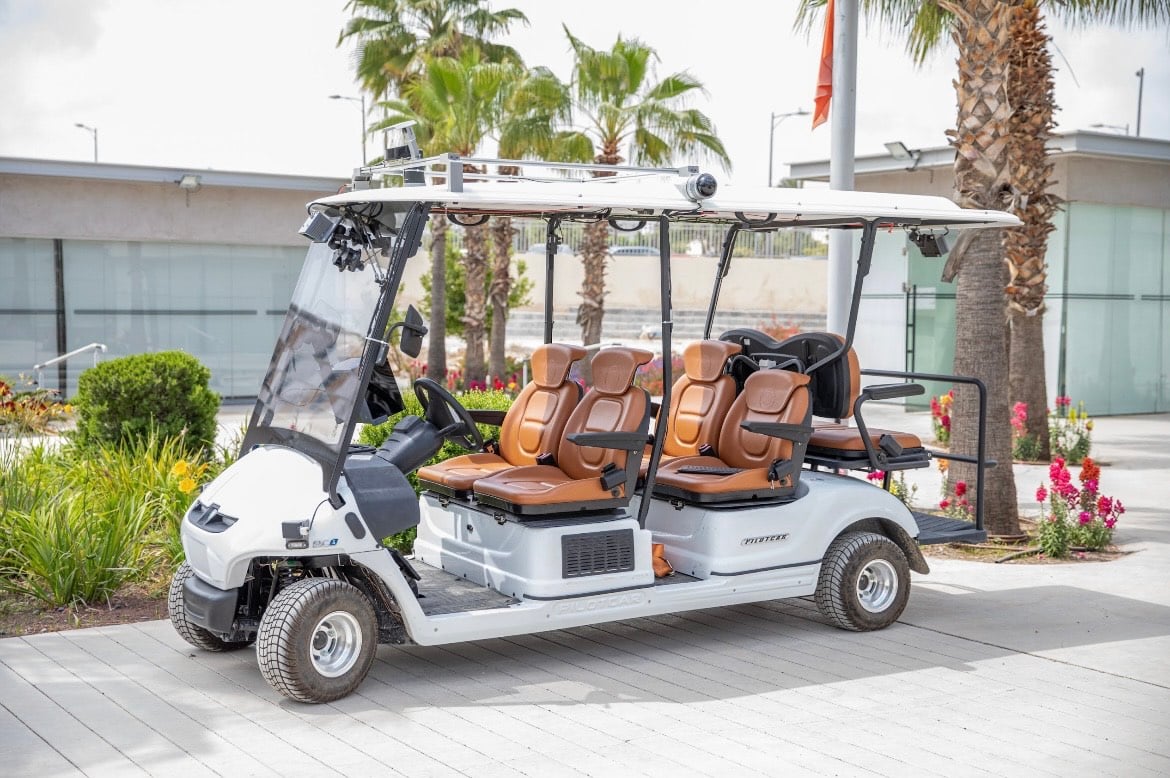
Carteav
From an investment standpoint, geofenced low-speed autonomy represents one of the clearest paths to large, scalable, near-term returns—and Carteav is a notable company in this category.
Carteav focuses on autonomous low-speed vehicles (LSVs) designed for controlled, geo-fenced environments such as:
- Resorts and hospitality properties
- Corporate and university campuses
- Airports and transit hubs
- Industrial and logistics facilities
- Retirement and master-planned communities
Rather than competing in unrestricted urban driving, Carteav targets environments where:
- Speeds are low
- Routes are predictable
- Infrastructure is controlled
- Liability and regulatory complexity are reduced
Why this matters to investors:
- Shorter sales cycles: Customers can deploy autonomy without waiting for broad public-road approval
- Repeatable deployments: Similar environments can be rolled out site by site
- Clear ROI: Reduced labor costs, improved mobility, and operational efficiency
- Lower capital intensity: Smaller vehicles and limited sensor stacks compared to robotaxis
Within its segment, Carteav exemplifies a strategy focused on commercial viability first, autonomy expansion second—a profile many investors view as more sustainable than moonshot approaches.
Robotaxi Companies: High Upside, High Capital Intensity


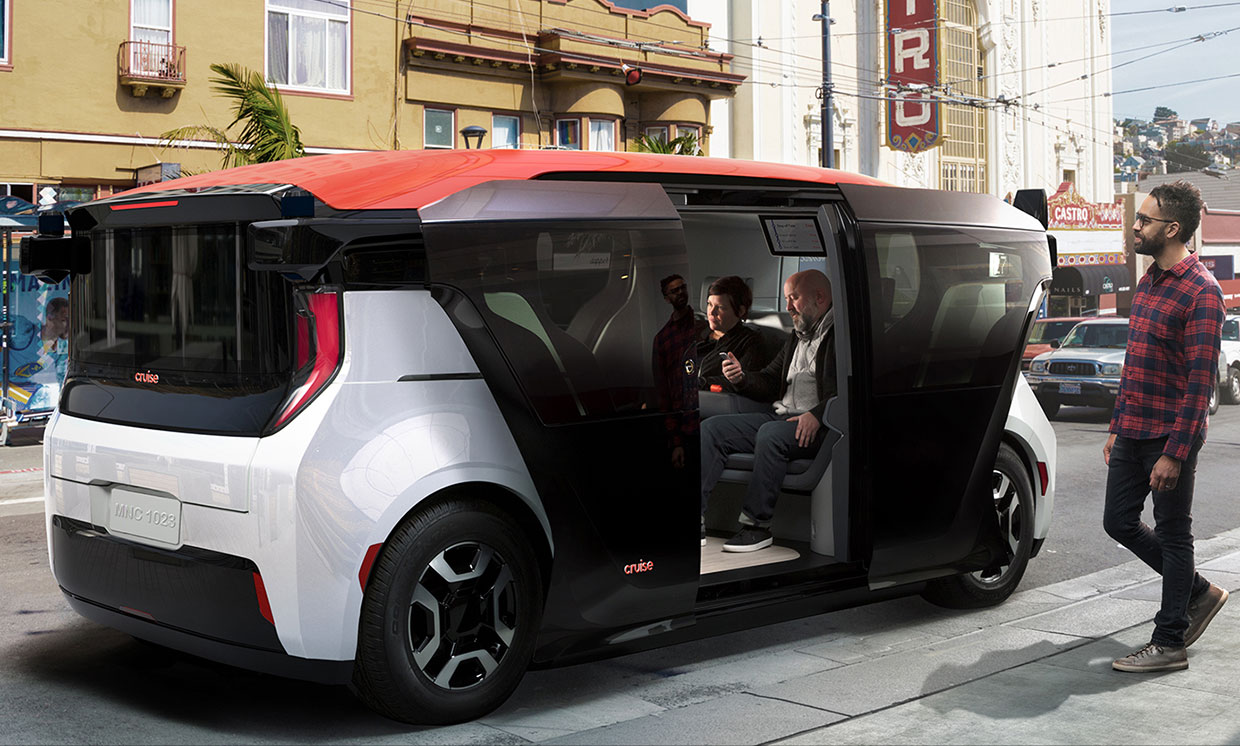
Waymo
Waymo is often considered the benchmark for robotaxi maturity, with fully driverless operations in select U.S. cities.
Investor takeaway: Strong technical credibility, but high infrastructure costs, long timelines, and dependence on regulatory expansion.
Baidu Apollo Go
Apollo Go has achieved significant scale in China, operating robotaxis across multiple cities.
Investor takeaway: Large addressable market, but geopolitical and regulatory factors are critical variables.
WeRide
WeRide operates robotaxis and shuttles internationally and has announced driverless commercial services through partnerships.
Investor takeaway: Geographic diversification reduces single-market risk but increases operational complexity.
Zoox
Zoox’s purpose-built vehicle strategy differentiates it technologically.
Investor takeaway: Backed by Amazon, but monetization strategy remains longer-term.
Autonomous Trucking: Focused Use Cases, Infrastructure Dependence
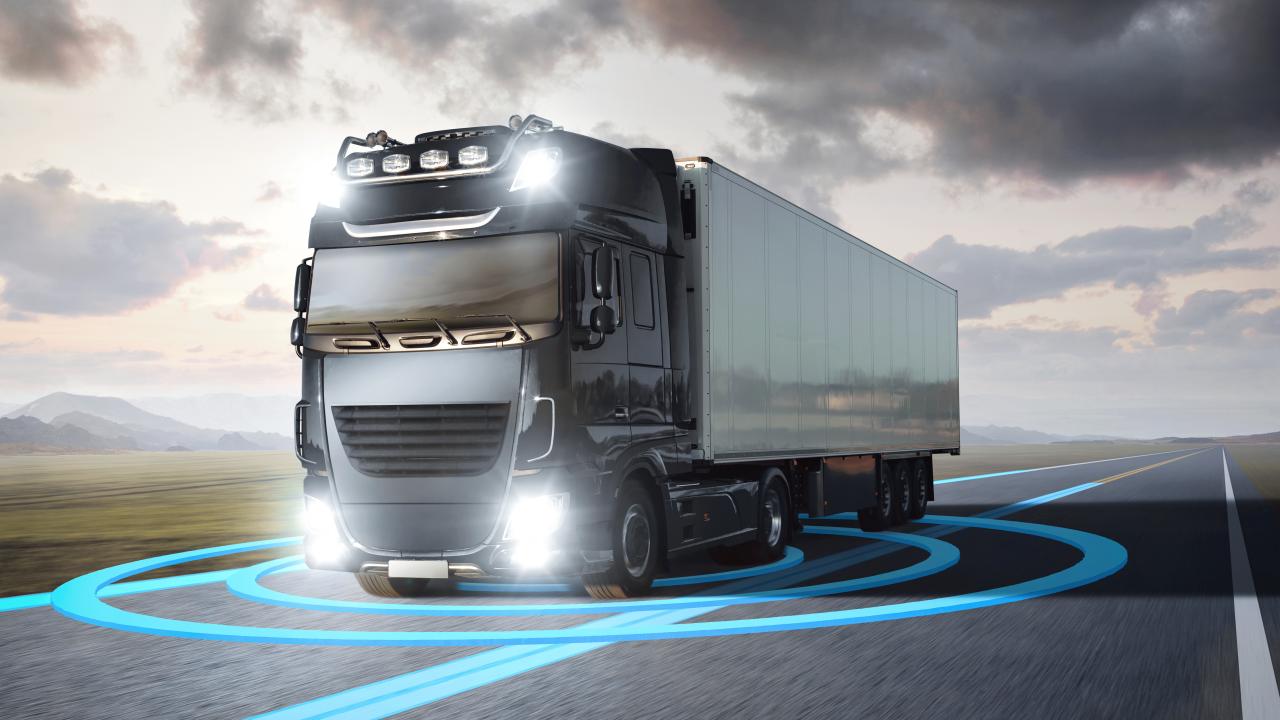

Aurora Innovation
Aurora concentrates on fixed highway corridors for freight transport.
Investor takeaway: Clear efficiency gains and strong enterprise demand, but hardware costs and OEM integration are key execution risks.
Autonomy Platforms and Enablers: Picks-and-Shovels Exposure
Mobileye
Mobileye provides ADAS today with a roadmap toward higher autonomy.
Investor takeaway: Revenue-generating today with optionality for future autonomy upside.
NVIDIA
NVIDIA supplies the compute backbone for many autonomous systems.
Investor takeaway: Broad ecosystem exposure without single-model dependency.
Consumer Autonomy: Brand Visibility, Regulatory Sensitivity

Mercedes-Benz
Offers conditional Level 3 autonomy in limited scenarios.
Investor takeaway: Regulatory-first approach limits scale but reduces legal risk.
Tesla
Tesla’s system requires continuous driver supervision.
Investor takeaway: Strong data advantage and brand reach, but autonomy claims are constrained by supervision requirements.
Investor Comparison: Where the Risk-Return Profiles Differ
| Segment | Time to Revenue | Capital Intensity | Regulatory Risk | Example |
|---|---|---|---|---|
| Geofenced LSVs | Short-term | Low–Moderate | Low | Carteav |
| Robotaxis | Long-term | Very High | High | Waymo |
| Trucking | Medium-term | High | Medium | Aurora |
| ADAS Platforms | Immediate | Moderate | Medium | Mobileye |
Final Investor Perspective
For investors, the autonomous driving landscape is no longer about identifying a single dominant player. It’s about matching capital to deployment realism.
Companies like Carteav illustrate why constrained, application-specific autonomy may deliver returns sooner and with less downside than broad consumer autonomy plays. Meanwhile, robotaxis and trucking continue to offer large upside—but with longer timelines and higher capital exposure.
The most resilient autonomous portfolios are likely to balance:
- Near-term deployers (geofenced autonomy)
- Infrastructure providers (compute and ADAS)
- Selective moonshots (robotaxis and freight)
In 2026, leadership in autonomous driving is increasingly defined not by ambition alone, but by where autonomy actually works—and pays—for investors.